How to build a reading habit that sticks
To build a reading habit that sticks, make it small, tie it to something you already do every day, and keep the book where your hand will find it. Fifteen minutes after dinner, the same chair, the same lamp. A habit grows from showing up often, not from reading for hours, so the goal is a daily amount you could meet on your busiest day.
That’s most of it. What follows is how to choose your time and your first book, how to make starting easy, and what to do on the days you miss, because there will be some, and they don’t undo anything.
In this article
Start smaller than you think
The most common reason a reading habit fades is that it began too big. A plan to read an hour a night works for a week, then a late meeting or a tired evening breaks it, and one missed night starts to feel like failure.
Pick a goal you can meet even when the day goes sideways. Ten or fifteen minutes is plenty. At an average pace, fifteen minutes a day is roughly a dozen pages, which adds up to a good-sized novel every month or so. You can always keep going once you’ve started, and on good nights you will. The small number is only the floor.
If minutes feel too loose, use pages instead: ten pages a day, or one chapter. Choose whichever is easier for you to notice.
Anchor it to something you already do
New habits stick best when they ride along with old ones. Instead of “read more,” try “read after I put the kettle on,” “read on the train home,” or “read for fifteen minutes before I turn off the lamp.”
A few anchors that work well for many readers:
- Morning coffee. The ten minutes before the house wakes up.
- The commute. Bus, train or a parked car before work. Audiobooks count.
- Lunch. Half your break with a book instead of a screen.
- After dinner. Dishes done, then the chair.
- Bed. The classic, as long as you’re not so tired that a page takes ten minutes.
Pick one and try it for two weeks before deciding it’s wrong. If it doesn’t fit, move the anchor, not the goal.
In Pemberley, you can set a daily reading goal in minutes and a reminder for the time you’ve chosen. The reminder skips the days you’ve already met your goal, so it only speaks up when it’s useful.
Make starting easy
Most of the effort in a habit is in the first minute. Remove whatever stands in the way.
Keep the book where you’ll be. On the nightstand, in your bag, on the arm of the chair. If you have to go looking for it, you’ll pick up your phone instead. An up-next shelf near where you read helps, too; our guide to organizing a home library has a few ideas for one.
Choose a book you want to read, not one you think you should. Early on, momentum matters more than ambition. A gripping mystery or a warm favorite will carry you further than a classic you’ve been meaning to get to for years. There’s time for that one later.
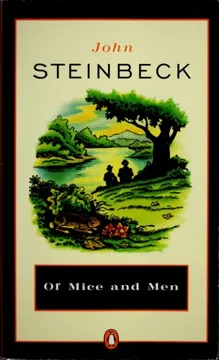
Start with something short. Finishing a book in the first week or two is a real lift. A short novel, a collection of essays or a slim memoir gives you that feeling quickly. Steinbeck’s novella is a little over a hundred pages and hard to put down.
Buying through these links supports Pemberley at no cost to you.
Give the session a shape. Some readers like a timer: you know when you’re done, and you’re free to keep going. Ambient sound helps others settle, especially somewhere noisy.

Pemberley’s reading timer pauses when you need it to and shows on your Lock Screen while you read, with optional rain, waves, fire or stream sounds in the background.
How to build a reading habit around your real life
A habit has to survive ordinary weeks, not just good ones. A few things make it sturdier.
Have a backup book
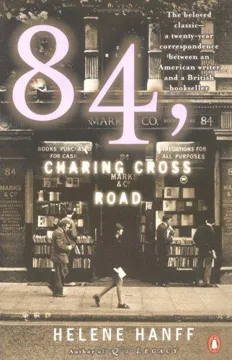
Keep something lighter on hand for the nights the main book feels like work: a book of short stories, poetry, or a collection of letters. Helene Hanff’s correspondence with a London bookseller is a lovely one to dip into for ten minutes at a time.
Let yourself stop a book
If a book isn’t working, put it down. Marking it Dropped isn’t a failure; it’s a decision to spend your reading time on something you’ll enjoy. A habit built on books you dread won’t last, and the next book might be the one that makes the time fly.
Use the gaps
Waiting rooms, school pickup, the ten minutes before a call. Having a book on your phone or in your bag turns those into extra pages without changing your plan.
What to do when you miss a day
You will miss days. Travel, illness, a long week. The habit isn’t broken by a missed night; it’s broken by deciding that a missed night means you’ve failed.
A kind rule: never miss twice in a row. One rest day is just a rest day. Two starts to be a new pattern, so the second day is the one to protect, even if it’s only five minutes.
Pemberley’s reading streak works the same way: one rest day keeps your streak going, and two in a row starts it over. If you read and forgot to time it, you can add the missed session afterward.
Track it lightly
It helps to see your progress, as long as the record stays encouraging. Notice the minutes you read this week, the books you’ve finished this month, the evenings you showed up. If you like, keep a short list of what you’ve read in a notebook or in your reading stats.
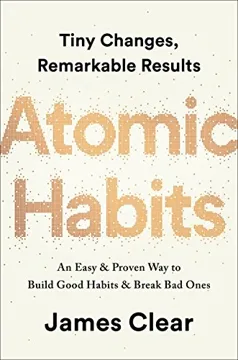
Some people find habit books useful for the reasoning behind all this. James Clear’s is a popular one, and its central idea fits reading well: small, regular actions compound over time.
Give it a month
Most habits take a few weeks before they stop needing willpower. Commit to your small daily goal for a month, change the time or the book if something isn’t working, and then look back. You’ll likely find you’ve read more than you expected, and that the chair after dinner has started to feel like yours.
Thoreau put the case for starting now simply:
Read the best books first, or you may not have a chance to read them at all.
He was right about the best books. Fifteen minutes tonight is a good place to begin.