How to organize a home library you’ll actually use

The best way to organize a home library is the way you look for books. If you reach for a mood, sort by genre. If you remember names, sort by author. If you remember the spine, sort by color. Most people end up with a mix: a few broad sections, alphabetical by author inside each, and one shelf near the door for what you want to read next.
That’s the whole answer, and it fits on an index card. The rest of this piece is about choosing between those systems, getting the sorting done in an afternoon or two, and keeping the shelves usable once real life starts pulling books off them again.
In this article
Start with how you look for books
Before you move a single book, think about the last five times you went to your shelves. Were you looking for a particular title, or for something to read tonight? Did you remember the author, the cover, or just that it was “the green one about the lighthouse”?
That habit is your system. A library that matches how you search feels effortless; one that doesn’t feels like a filing cabinet. There’s no correct method, only the one you’ll keep up.
The main ways to organize a home library
By genre or subject
Fiction in one place, history in another, poetry, cookbooks, travel, children’s books. This is the most forgiving system because it matches how most of us choose a book: by what we’re in the mood for. Keep the categories broad. Five or six sections are easier to live with than twenty, and a book that fits two sections can go wherever you’d look for it first.
Alphabetical by author
The bookstore method. It shines when your library is large or when you often look for a specific book. Combine it with genre, alphabetical inside each section, and you have the system most librarians would recognize. Put series in reading order rather than alphabetical order by title.
By color
Rainbow shelves are lovely in a living room, and they work better than people expect if you remember covers well. The tradeoff is that a series scatters across the shelf and new paperbacks rarely match their older editions. If you love the look, try it on one bookcase rather than the whole house.
Read and unread
Some readers keep a shelf, or a whole bookcase, for books they haven’t read yet. It turns your own collection into a little bookstore you can browse. It also makes the pile honest: when the unread shelf is full, you’ll know before you buy another.
By size or by memory
Oversized art books lie flat on a low shelf because they have to. Beyond that, some people shelve by the year they read a book, or by where they were when they read it. It’s personal and nearly impossible for anyone else to navigate, which is fine if the library is yours alone.
Mixing systems without making a mess
Most home libraries that work are a blend. A common, sturdy one looks like this:
- Broad sections by genre or subject.
- Alphabetical by author within each section.
- One “up next” shelf at eye level, near where you read, for the handful of books you want to start soon.
- A low shelf for oversized books.
- A small spot for books you’ve borrowed, so they don’t disappear into your own collection.
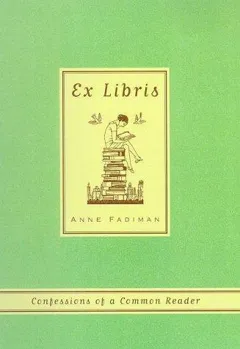
Anne Fadiman has a wonderful essay about the day she and her husband finally combined their book collections, and how two people’s ideas of order can collide on a single shelf. If you share a library with someone, read it before you start.
Buying through these links supports Pemberley at no cost to you.
A weekend plan for sorting your shelves
You don’t need to do the whole house at once. Here’s a pace that works for a few hundred books.
Saturday morning: clear one bookcase. Take everything off. Dust the shelves while they’re empty; you won’t get the chance again for a while.
Saturday afternoon: sort into piles on the floor. One pile per section. Don’t alphabetize yet. If a book makes you hesitate, give it a “decide later” pile and keep moving.
Sunday: shelve and fine-tune. Put each section back, alphabetizing as you go. Leave a little room at the end of every shelf, about the width of your hand, so new books have somewhere to land without a full reshuffle.
Last: the decide-later pile. Some of these will find a home. Some you’ll realize you don’t need to keep, and a little free space is a gift to the books you love.
Keep a record alongside the shelves
Shelves tell you what you own. They’re less good at telling you what you’ve read, what you lent to your sister in March, or whether you already have that book you’re holding in the store.
A simple catalog solves that. Some people keep a notebook or a spreadsheet. In Pemberley, you can scan each book’s barcode to add it, even without a signal in the basement, and sort it onto Want, Reading, Finished or Dropped. Lists let you mirror your physical sections if you like, and you can note which books are out on loan and who has them.
Cataloging is also the moment you’ll discover your duplicates. Most libraries have a few.
Make it easy to keep tidy
Shelves drift. You pull out three books for a trip, finish one on the couch, and a week later there’s a stack on the coffee table. A few habits keep that in check:
- Give every book a way home. When you finish something, put it straight back in its section, or onto a “to reshelve” spot that you clear every Sunday.
- Keep the up-next shelf small. Five to ten books. When it overflows, it’s no longer helping you choose.
- Revisit once a year. A rainy weekend in fall or winter is a good time to pull out what you’ve outgrown and make room.
- Let it change with you. If a system stops working, change it. A library is meant to be lived in.
Why a home library is worth the effort
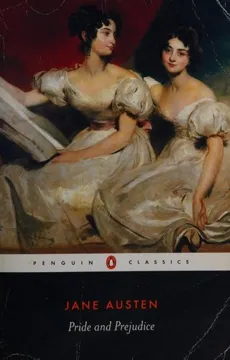
There’s a quiet pleasure in walking past shelves you understand: knowing where the poetry lives, seeing the books you’ve finished alongside the ones still waiting for you. In Pride and Prejudice, Mr. Darcy says of the library at Pemberley:
It ought to be good, it has been the work of many generations.
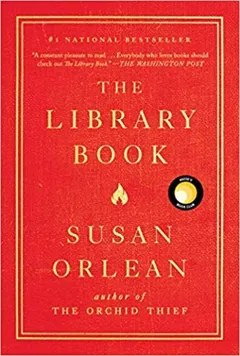
Yours doesn’t need generations. It needs a system that fits how you read and a little care now and then. And if you’d like a reminder of what a library can mean to a whole city, Susan Orlean’s book about the 1986 fire at the Los Angeles Central Library is a moving place to start.